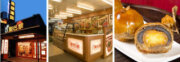
Silks Palace stands west of the National Palace Museum’s main building. It extends the museum’s “Old is new” idea to the table, naming dishes after pieces in the collection and drawing on their forms for the building, interiors and tableware. Architect Kris Yao designed the transparent glass exterior, and interior designer Yukio Hashimoto used the crackled patterns of Song-dynasty celadon in the entrance, screens and walls.
The Imperial Treasures Feast turns objects from different eras into dishes. Jadeite Cabbage uses a small cabbage to evoke the carving, with a sakura shrimp standing in for the insect on its leaves. For the Meat-Shaped Stone, a pork hock is braised, cooled and cut to match the original. Early nine-course versions of the feast also included White Jade Lychees, Yuan Dynasty Yunlin Goose, Fresh Fruit in a Mao Gong Ding and desserts presented in a curio cabinet. The ice cauldron holding the fruit is modeled on the Mao Gong Ding, making the serving vessel part of the design.
The restaurant focuses on Cantonese cooking, alongside other Chinese à la carte dishes and Taiwanese snacks. Its ten private rooms are named after artists represented in the museum’s calligraphy and painting collection. The large Lanting room draws its wall design from Wang Xizhi’s Preface to the Orchid Pavilion. A multipurpose banquet hall occupies the top floor.