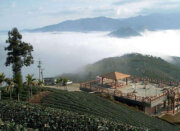
From Zengwen Reservoir, head towards Dapu, follow the mountain road, and hidden between towering peaks lies the "Jawayma Tribal Village." This arrives at Tea Mountain Village, a quiet mountainous settlement that has preserved its rustic charm since its development during the Japanese colonial period. This region is rich in produce with no pollution from industrial civilization; its organic, pure agricultural products and the crisp, fresh air of the forest are the most valuable tourism assets.
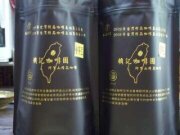
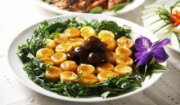
The "Tea Aroma Flavor House," run collectively by six indigenous people, is operated by Li Hsiu-hsiang. She says: "The ingredients for our dishes are picked from the mountain the day before or directly from our home gardens. We need reservations to prepare properly." Each Tea Mountain feast begins with Mama Tea's enthusiastic welcome song. Every dish on the table uses materials from the mountains. A starter of wild bitter melon tossed with a refreshing dressing of white vinegar, fish sauce, lemon juice, and sake vinegar highlights the unique aroma. Steamed organic pumpkin with ginger shreds arrives radiant like autumn sunshine, exuding natural sweetness. Tender wild cat's ear fern blanched and mixed with mayonnaise and homegrown peanuts balances the vegetable's slightly astringent taste, resulting in a soft yet crisp texture that distinguishes this wild delicacy.
The fragrant-grilled tilapia is seasoned only with salt before roasting over fire until juicy and tender. Charcoal-grilled pork belly with rich salty aroma pairs perfectly with morning-picked bitter bamboo shoot soup and aromatic glutinous rice cooked in bamboo tubes with a hint of green onion oil. Under the cool mountain breeze, this indigenous hospitality banquet becomes even more serene and delightful.